Growth, Joyspan and Midlife
A note on grief, growth, and the quiet ways we come back to life.
The last few months have been a season of quiet growth for me.
I had to pause some things I care deeply about—my herbal medicine certification, creative projects, and new client offerings—while I cared for my mom, managed the details of her passing, and did my best to stay present for my family. Four kids, a business, and a grieving heart is a lot to hold.
Even some of my closest friends were wondering when I’d resurface.
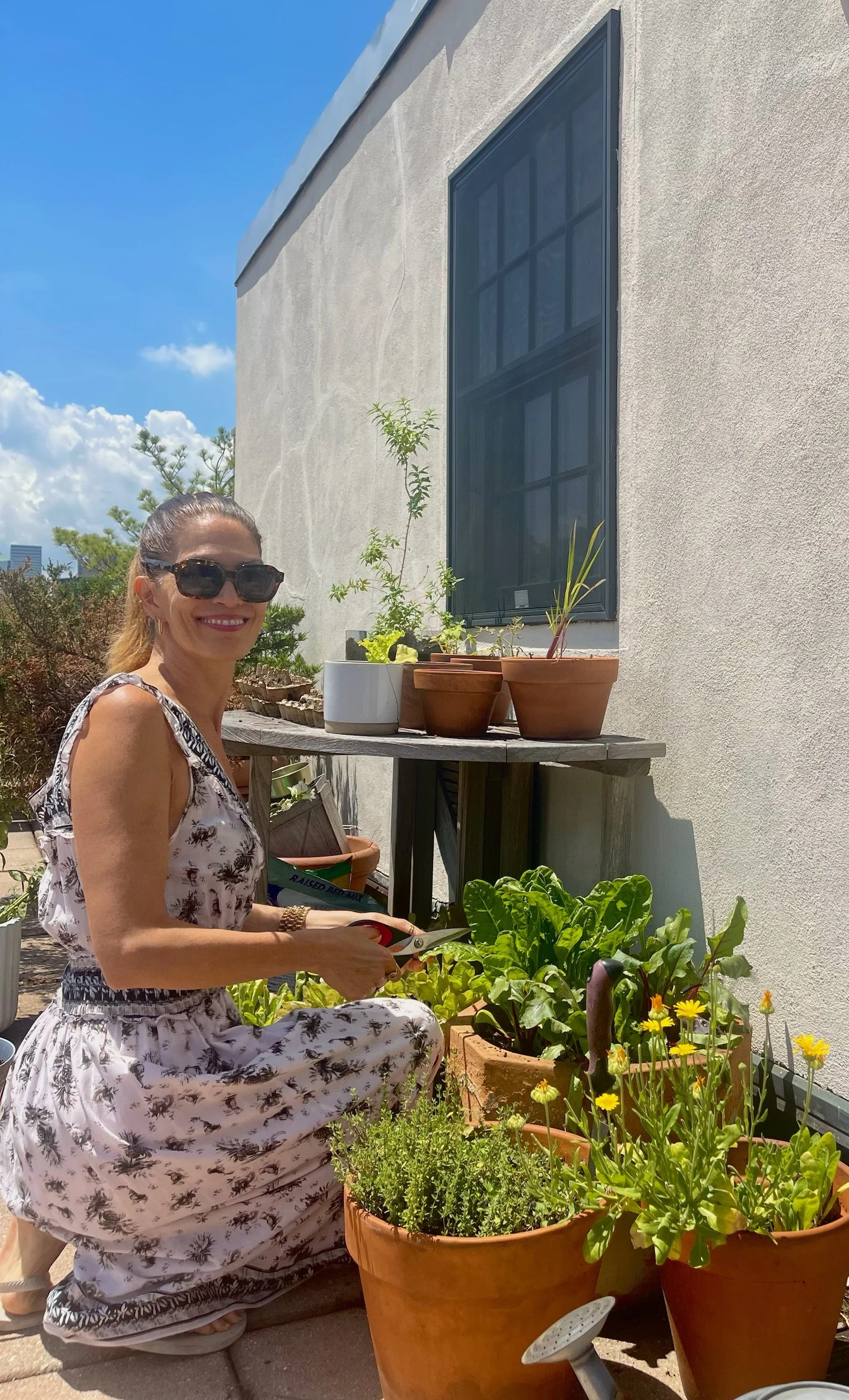
Well—here I am. A little tender, a lot more grounded. Back in the garden. Back in the apothecary. Back to learning, experimenting, and reconnecting with joy—one rosemary sprig at a time.
🌱 On Joyspan, Lifespan, and Everything In Between
Recently I read a piece in The New York Times about a concept called Joyspan—and it struck a deep chord.
We’ve all heard about lifespan and healthspan. Those are the things wellness people (myself included) talk about constantly—how to live longer, better, stronger. How to biohack your way to 98.
But joyspan asks a different question:
Are you enjoying it?
Are you living with purpose, delight, curiosity?
Are you doing the things that light you up?
It’s a question I often explore with my clients too. Not just, “Why do you want to lose the weight?” or “Improve your A1C?” but—what’s the life you want to live? What’s the energy, the freedom, the vitality you’re after? That why is the real driver of change—and probably, the motivation you need to finally kick your sugar addiction to the curb. (Unless it’s dark chocolate. I’m not a monster.)
Because in the end, we don’t seek health just to see better numbers. We do it so we can live fully—so we can show up for the joy.
And according to researchers (and frankly, the most interesting people over 50 I know), one of the most potent drivers of joy is growth.
Not achievement. Not perfection. Just growth—trying something new, learning, stretching outside the familiar.
Growth Isn’t Just for the Young
Neuroscience shows that learning new things literally rewires the brain. It boosts resilience. Enhances mental health. It brings us back to life.
And midlife is not a winding down of growth—it’s the sweet spot for it. We’re seasoned, but still curious. We’ve been through some things. And we know how to turn them into something meaningful.
I didn’t start making tinctures, salves, or growing my own herbs and veggies until my 40s. I still mess up constantly—especially on the gardening front, where, if I’m being generous, I’d say I have the palest of green thumbs.
But I keep showing up. And every time I do, I feel more alive.
From Rooftop Dirt to Apothecary Shelves
These days, I’ve been harvesting herbs from my rooftop garden in the city and a scrappy-but-loved patch out in Long Island. They’re far from picture-perfect—and I’m fine with that.
The most beautiful part? Some of the plants growing now—beets, lettuces, calendula, basil, and more—were planted by my mom just a week before she passed.
Now, months later, they’re feeding my family in ways that transcend nutrition.
They’re also helping me complete my medicine-making certification and stock my shelves with real, usable remedies: medicinal teas, tinctures, salts, oils, and salves.
It’s been both practical and healing. I’m learning to build a mini home apothecary. How to support my clients through natural remedies. And how to infuse a little beauty and intention into daily wellness.
Summer Recipes for Everyday Healing
Joyspan need not be impressive or loud. It lives in the small things—in what you make, what you eat, what you tend to.
Here are two easy-peasy, garden-inspired recipes straight from my herbal course that I’d love to share with you. They’re so simple, they’re a great way to dip your toes into using herbs in everyday life and to keep your body nourished this season:
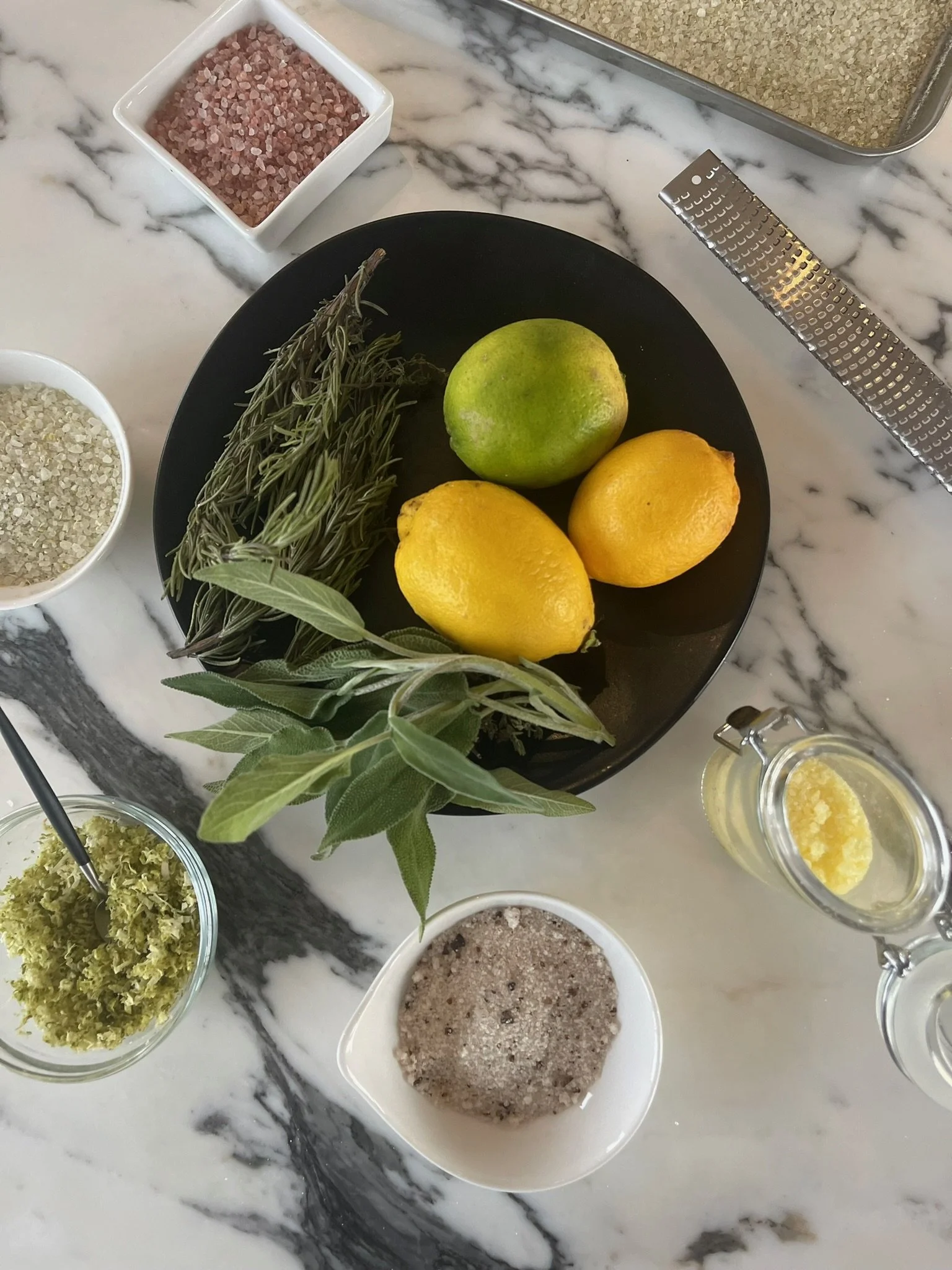
Lemon Bright Salt, recipe courtesy of the Chestnut School of Medicine
🌿 Lemon Bright Salt
This herby citrus salt adds a bright, zesty punch to grilled fish, roasted veggies, or your favorite summer chicken dish. Lemon verbena offers a gentle digestive lift and a calming aromatic kick.
You’ll need:
1 cup coarse sea salt
2 tablespoons orange zest
2 tablespoons lemon zest
½ cup fresh lemon verbena leaves (or use half as much if dried)
Roughly chop the lemon verbena and combine all ingredients in a bowl. Spread onto a parchment-lined tray and let air dry completely before transferring to a glass jar. Store in a cool, dry place and sprinkle liberally on everything from eggs to grain bowls.
🌺 Hibiscus Strawberry Basil Popsicles (From the Chesnut School of Medicine)
These are refreshing and not too sweet—but feel free to up the sugar if your sweet tooth says so. (Again, not a monster.)
You’ll need:
3 tablespoons dried hibiscus flowers
4 tablespoons organic cane sugar
Juice of 1 lime
3 cups (about 1 pound) organic strawberries
4 basil leaves
Yield: About 20 popsicles, depending on mold size
Bring 3 cups of water to a boil, then remove from heat and add hibiscus. Cover and steep for 20 minutes. Strain, then stir in sugar until dissolved. Let cool to room temperature.
In a blender or food processor, combine the hibiscus tea, lime juice, strawberries, and basil. Blend until smooth (you may need to work in batches). Transfer to a large jar or pitcher and pour into popsicle molds. Stir once or twice during freezing to avoid separation.
Variations:
Hibiscus Strawberry Lemonade: Add lemon juice, water and sweetener to taste.
Hibiscus Strawberry Margaritas: Mix 1 oz tequilla with 8 oz popsicle base and pour.
The Practice of Joyspan
Joy might look like learning to make your own kombucha—that was me a few years back. I now have more scobys than I know what to do with. (Seriously, let me know if you want one.)
Or maybe, like a couple of inspiring friends of mine, it looks like trying a burlesque class or discovering your inner potter in your 50s. One of them is now prolific—and undeniably talented. Who knew?
But joy can also be quieter. It might look like finally starting a gratitude journal, learning to knit, or taking yourself for a walk every morning without your phone. Small things count too. Especially when they’re yours.
Joyspan is a practice. It makes for not just a more beautiful life—but a healthier one, too.
If you’re craving more connection, more curiosity, more vitality—I’m with you.
And if you’d like support bringing herbs, nutrition, and wellness into your everyday life, you can learn more about working together here.
Here’s to growth in all its forms.